FREE SHIPPING On Orders over $400

Subscribe To Newsletter
Subscribe to the MONAG mailing list to receive updates on new arrivals, special offers and our promotions.

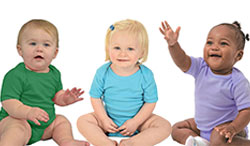
Tiny Essentials, Big Decisions: All About Blank Baby Onesies
When it comes to outfitting babies, comfort, durability, and safety top the list. And no item gets more daily wear than the short sleeve baby onesie. Whether you’re a parent, a boutique owner, or a baby brand, understanding fabric types, knit structures, and decoration techniques is key to picking or producing the perfect onesie.
Let’s break it down:
This guide covers it all.
Fabric Types for Baby Onesies: What to Look For
1. 100% Cotton - The most popular choice for babywear, cotton is soft, breathable, and hypoallergenic.
Pros:
Best For:
2. Organic Cotton - Grown without pesticides or synthetic fertilizers, organic cotton is a premium, eco-friendly upgrade.
Pros:
Best For:
3. Polyester - A synthetic fabric that adds strength and stretch.
Pros:
Best For:
4. Cotton/Poly Blends (e.g., 60/40 or 50/50) - Combines softness of cotton with the durability and colorfastness of polyester.
Pros:
Best For:
Fabric Structures: Jersey, Rib, and Interlock Explained
1. Jersey Knit
Benefits:
Recommended Printing:
2. Rib Knit
Benefits:
Recommended Printing:
3. Interlock Knit
Benefits:
Recommended Printing:
Printing Techniques by Fabric Type
1. Screen Printing
Best for: Classic slogans, logos, high-contrast designs
2. DTG (Direct-to-Garment)
Best for: Boutique brands, custom orders, detailed prints
3. Embroidery
Best for: Names, initials, small graphics
4. Sublimation
Best for: Bright all-over designs, photo-quality prints
5. Heat Transfer Vinyl (HTV)
Best for: Custom names, one-off designs, fast production
Care Considerations by Fabric
|
Fabric Type |
Care Instructions |
|
100% Cotton |
Machine wash cold, tumble dry low |
|
Organic Cotton |
Gentle wash, low heat, eco detergent |
|
Polyester |
Wash warm, tumble dry low, avoid bleach |
|
Cotton/Poly Blend |
Machine wash warm, medium heat dry |
Always recommend washing printed onesies inside out to preserve print quality.
Which Fabric Is Best for Baby Bodysuit?
It depends on your priorities:
|
Priority |
Best Option |
|
Softest feel |
Organic cotton, Interlock |
|
Best for printing |
Cotton/poly blend, Jersey |
|
Eco-friendly |
Organic cotton |
|
Bright colors |
Polyester (for sublimation) |
|
Stretch & fit |
Rib knit |
Final Thought: Designed for Delicate Days
A baby bodysuit isn’t just another layer—it’s the first thing they feel next to their skin, the canvas for milestones, and a keepsake for years to come. Choosing the right fabric, structure, and print method helps you deliver quality, comfort, and meaning in every tiny bodysuit.
Whether you're a parent or a children’s clothing brand, understanding these materials empowers you to make better choices—for your baby, your business, and the planet.