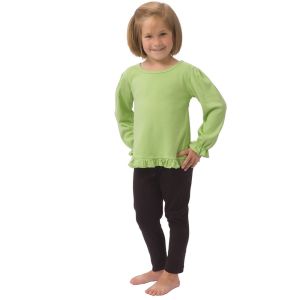
Toddler Leggings: Fit, Fabric, and Decoration
In this guide
Toddler leggings need room for movement as well as a good visual fit. A blank that looks right while laid flat may behave differently when stretched at the knees or waistband. Assess the garment first, then plan any personalization.
Use the size chart and a sample
Compare waist, length, and rise measurements where available. Age labels are a starting point, not a guarantee of fit. Check whether the waistband sits comfortably and whether the fabric returns to shape after gentle stretching.
Consider opacity and stretch
Read the fiber composition and care label. Inspect the fabric under normal wear conditions, including bending and movement. Stretch and coverage depend on the knit, fabric weight, and fit as well as fiber content. Do not assume all cotton or blended leggings perform alike.
Keep decoration away from high-strain areas
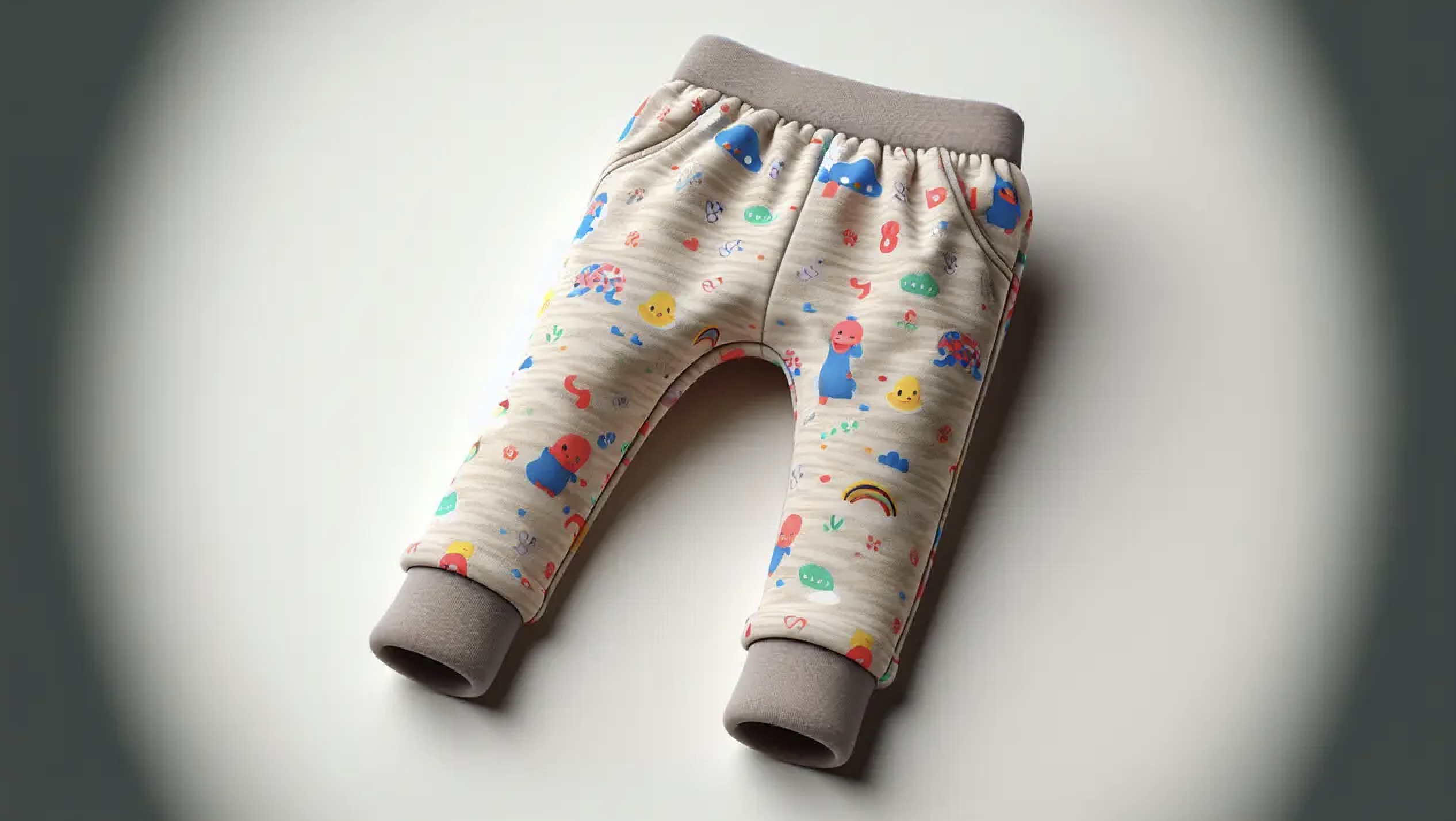
Small ankle or lower-leg details can be easier to manage than large designs across the knee. Choose a transfer or ink system approved for the fabric and the expected stretch. Embroidery can reduce flexibility, so evaluate its placement and backing carefully on a physical sample.
- Avoid printing over the waistband or a raised seam.
- Check the design while the fabric is relaxed and gently stretched.
- Grade artwork placement across the ordered sizes.
Build simple outfit combinations
Pair a solid legging with a patterned tee or use coordinated neutral colors with one accent. For a decorated set, repeat a small graphic or color rather than covering every piece. Wash the complete outfit according to compatible care instructions and check fit, color, and decoration before using it as a production reference.


Related Products