Decorating Fleece: Printing, Transfers, and Embroidery

In this guide
Fleece decoration works best when the method matches both the fabric and the artwork. Check the fiber blend, surface texture, and construction before quoting or scheduling a run. A process that worked on one sweatshirt may need adjustment on another.
Compare the main methods
| Method | Useful for | Check first |
|---|---|---|
| Screen printing | Repeated artwork across a batch | Ink compatibility, cure requirements, and dye migration |
| Heat-applied transfers | Names, short runs, and supplied graphics | Approved fabrics, pressure, application time, and peel instructions |
| Embroidery | Small logos and textured details | Digitizing, stabilizer, thickness, and access for hooping |
Work around seams and pockets
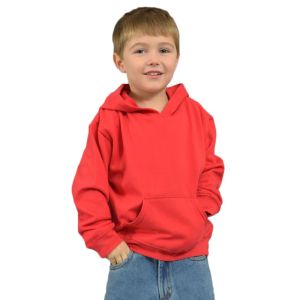
Hoodies introduce pouch pockets, zippers, and bulky seams that can interrupt a print or press. Position the artwork on a flat panel. For a zip hoodie, separate left and right chest marks are often easier to reproduce than a graphic crossing the zipper.
Test the exact blank and color
Polyester-containing fleece may need an ink or transfer system designed to address dye migration. Do not solve a failed adhesion test by simply increasing heat; that may damage the fabric. Follow the decoration supplier's specifications, then check a sample for scorching, press marks, distortion, and color changes.
Record the approved process
Keep a sample and record the style, fabric color, artwork size, placement, consumables, and application settings. Wash the decorated sample using compatible care instructions and inspect it again. These records make repeat orders easier to reproduce and help distinguish a material change from an equipment issue.